
From Dreams to Destinations
From Dreams to Destinations
Category: Articles
TABLE OF CONTENT :
Getting Turkey citizenship through property investment has become one of the most popular choices for global investors, digital nomads, and families.
The program offers a fast and affordable path to a second passport.
Buying property for $400,000 or more lets you apply for Turkish citizenship, and authorities usually grant the passport within 8–12 months.
In this article, we will share how to get Turkish citizenship by real estate investment and how to avoid scams to protect your investment.
Turkey Citizenship by Property Investment allows foreign nationals to obtain Turkish citizenship by purchasing real estate worth at least USD 400,000. The program requires investors to keep the property for three years without selling. Residential and commercial properties qualify, and land qualifies only if it has a building or a legal construction plan. New citizens can rent the property and earn rental income during the three-year restriction and sell the property afterward without losing Turkish citizenship.

Both first-time buyers and experienced investors are choosing Turkey. Let’s look at why so many people are joining this program today.
You need to invest only USD 400,000 in real estate to qualify. Compared to other Turkish citizenship-by-investment programs, this amount is more accessible, which makes Turkey an attractive option for investors who want a second passport.
Turkey launched the program in 2017 to attract foreign money into real estate. Most investors, about 95%, choose the property route. Over 35,000 people gained Turkish citizenship through property by mid-2025. You can complete the process and get a passport in less than a year.
In early 2025, housing sales jumped 20.1% year-over-year. Average property prices now run around ₺31,057 per square meter, roughly USD 847/m². Analysts predict prices could climb over USD 1,000/m² by 2028. If you pick the right city or coastal spot, you can earn long-term rental income. Annual rental returns range from 5% to 9%.
Turkey sits at the corners of Europe, Asia, and the Middle East, which gives it a unique geopolitical advantage. You also qualify for the valuable U.S. E-2 Investor Visa, opening doors for business and investment opportunities in the United States.
To apply for Turkish citizenship by real estate investment, you must meet specific rules.
When you apply for Turkish citizenship through real estate, the $400,000 property investment is only the starting point. You must also pay several additional costs.
Government fees cost $574 per person. Notary fees reach $1,071, and professional fees can go up to $9,071. Transaction fees depend on the property type: 2% of the property price for new properties and 4% for resale properties.
For a $400,000 property, total expenses reach about $420,000 for a new property and $430,000 for a resale property.
Adding family members increases costs, as each additional person adds $574 in government fees.
You also face annual taxes for owning real estate. Property tax ranges from 0.1% to 0.6% of the cadastral value. Luxury tax applies to properties worth more than 5,000,000 Turkish Liras (around $305,000) and ranges from 0.3% to 1%.

Turkey offers many choices for investors who want citizenship through property.
Buyers can choose from several real estate types. Many investors prefer residential properties such as apartments, villas, duplex homes, and townhouses.
Commercial properties such as Offices, shops, hotels, and warehouses also qualify for citizenship. Commercial real estate usually needs more market knowledge, so many first-time investors prefer residential property.
Buyers can purchase more than one property to reach the required $400,000.
For example, a buyer can choose two or three smaller apartments. The combined value must reach the full amount. All purchases must go under the buyer’s name at the same time. Every payment must go through a bank transfer. Cash payments do not count.
Turkey accepts both new properties and resale properties. New projects offer modern designs, new systems, and fewer legal problems. Resale homes can cost less, but a buyer must check for unpaid debts, court issues, mortgages, or occupancy problems.
Another rule matters a lot: the seller must be a Turkish citizen or a Turkish company. A property owned by a foreigner does not qualify for citizenship.
The investor starts with a pre-check that reduces rejection risks to 1%. Anti-Money Laundering officers check the background in international legal and business databases. They look for any potential problems that might cause rejection. The Investor only needs to provide a copy of their passport for this step.
The investor needs to gather and translate all documents into Turkish and have them apostilled.
Documents include:
The investor chooses a qualifying property either online or during a visit to Turkey. A legal team from WeRWealthy helps check every document, confirm ownership rights, and confirm property eligibility for the program. Lawyers also help with title deed registration.
The Ministry of Interior runs a full review of the investor and all family members. Officers check global legal and business databases again. The goal is to confirm that the investor and the family bring no risk to Turkey and to the people of Turkey. The full review normally takes up to three months.
Once the Ministry clears the application, the investor receives a Turkish passport. Collection happens either inside Turkey or at a Turkish embassy in the investor’s home country. The process after approval normally takes only a few days.
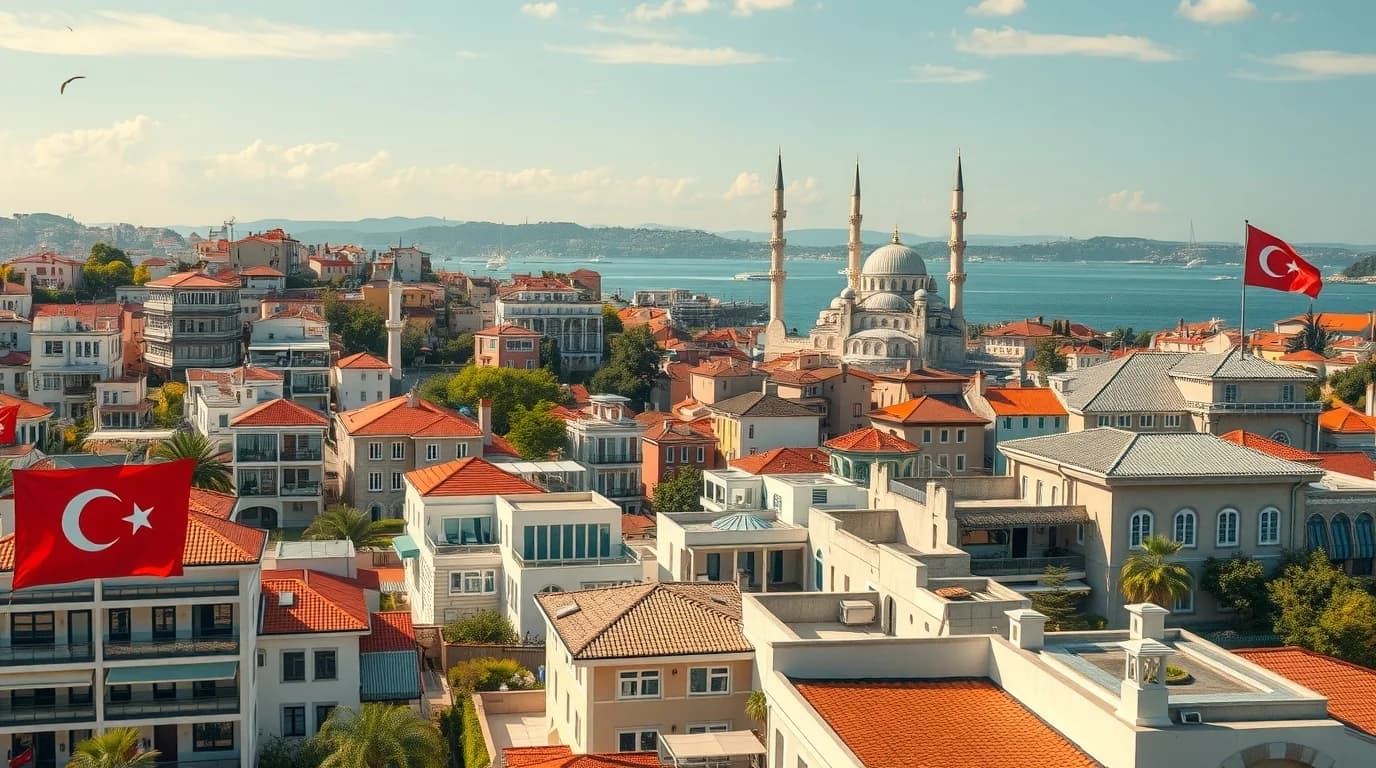
Becoming a Turkish citizen through property investment gives you many advantages beyond owning a home.
Let’s explore the 10 advantages you can enjoy as a new Turkish citizen.
As a Turkish citizen, you can travel to over 110 countries without a visa or with a visa-on-arrival. You can explore Europe, Asia, and beyond for business or leisure without extra hassle.
A Turkish passport allows you to apply for a C-2 Schengen visa. A C-2 visa gives you entry to Schengen countries for up to 90 days out of every 180 days. You can gain strong travel freedom across Europe.
A Turkish passport supports an E-2 US visa. An E-2 visa gives you and your family the right to live and work in the USA. You can also receive B-1/B-2 tourist visas for 10 years, which helps with long-term travel plans.
Turkey allows dual citizenship. You can keep your original passport and enjoy the rights of a Turkish citizen. You can travel, work, and own property in both countries freely.
You can use Turkey’s universal health system, called Genel Sağlık Sigortası. Most public hospitals and clinics cover medical care at low costs. Turkey spends about 6.3% of its GDP on healthcare, which is less than most developed countries.
In the last 20 years, Turkey has built more than 150 hospitals and added many new hospital beds. The country has about 1.35 million medical workers, including 195,000 doctors and 243,000 nurses. You can get checkups, emergency care, or specialist treatment without paying too much.
Living in Turkey costs much less than in many European countries. In 2025, you can expect to spend around $1000-1300 per month if you live alone, not counting rent.
A family of four will need about $1700-2000 per month. You can easily pay for groceries, transport, utilities, and other everyday needs without stressing your budget.
You will find Turkey full of history and modern comforts. You can explore ancient sites, wander through colorful bazaars, and admire beautiful Ottoman architecture.
At the same time, you can enjoy modern shopping centers, theaters, and cafes. Cities like Istanbul and Izmir let you experience both culture and modern living every day.
You can send your children to public schools or universities at lower costs than private schools. Turkey spends 4.3% of its GDP on education. The government opens more schools and childcare centers, creating new jobs in education.
You can open your own business, invest in property, or explore growing industries in Turkey. The country lies between Europe and Asia, which gives you access to many trade routes. GDP per person reaches $15,461, and the government spends 10.1% of GDP on social protection.
When you invest, your spouse and kids under 18 can become citizens too. You can provide your family with healthcare, education, and the right to own property.
If you plan to invest in property or move to Turkey, knowing the cost of living and daily life is very important.
Turkey offers a modern lifestyle, vibrant culture, and delicious food at prices much lower than in Europe, the UK, or the USA. Expenses vary depending on the city and lifestyle.
Here is a detailed guide that helps you plan your budget.
Istanbul stands as Turkey’s cultural and economic center. Rent for a one-bedroom apartment ranges from $1,300 to $2,400 in neighborhoods like Cihangir or Etiler.
On the Asian side, Kadıköy or Üsküdar offers apartments for $900 to $1,500.
Ankara feels calmer than Istanbul. Apartments cost $500–$1,200 in the city center.
Izmir combines a Mediterranean lifestyle with urban convenience. Rent for a central one-bedroom apartment ranges $600–$1,300.
Antalya attracts beach lovers and retirees. Coastal apartments cost $400–$900.
Groceries cost $150–$250 per month for a single person. Small families spend $300–$450. Local markets sell fresh fruits and vegetables for under $1 per kilogram. Imported or premium products cost more.
Meals at local eateries cost $5–$10. Dinner for two at a mid-range restaurant costs $30–$60. Upscale restaurants cost $70–$120. Even frequent dining out fits a reasonable budget.
Private healthcare costs $30–$70 per month for insurance. Doctor visits cost $25–$50. Dental cleaning costs around $30. Public healthcare is also available, but may have long wait times.
Living in Turkey costs much less than in the UK or the USA. Your rent, utilities, groceries, transportation, and daily expenses all come at a fraction of Western prices.
| Expense Item | Turkey | United Kingdom | United States |
| 1-Bedroom Apartment Rent | $600 | 1,300 | 1,700 |
| 3-Bedroom Apartment Rent | $990 | 2,100 | 3,000 |
| Utilities (Electricity, Water, Gas, Garbage) | $80 | $350 | $300 |
| Groceries | $230 | $310 | $400 |
| Monthly Transport Pass | $35 | $90 | $70 |
| Meal at an Inexpensive Restaurant | $8 | $18 | $20 |
| Health Insurance (Private) | $30–$70 | $50–$200 | $400–$700 |
| Private Preschool (Monthly for 1 Child) | $300 | $1,600 | $1,400 |
| International Primary School (Yearly for 1 Child) | $7,000 | $22,000 | $24,000 |
| Monthly Cost (Family) | $1300-$1700 | $4000-$5000 | $4500-$5500 |
Even Istanbul, the most expensive Turkish city, costs far less than London or New York.

The real estate market varies by city, influenced by currency fluctuations, tourism cycles, and local regulations.
Choosing the right city can improve your lifestyle.
Istanbul is Turkey’s biggest and most active market. Average prices reach $1,630/m² (TRY 63,125/m²). Foreign buyers own about 38% of all property sales. Prime districts like Maslak, Levent, and Beylikdüzü give rental yields of 6–8%. You also get modern buildings, easy transport, and city convenience.
Antalya is a top choice for tourism and rental income. Coastal districts like Konyaaltı, Lara, and Alanya attract many foreigners and locals. Average prices are about $1,150/m² (TRY 43,331/m²). Rental yields can reach 8–10% in busy areas. Developers often offer long-term, interest-free payment plans to help buyers.
Izmir offers a balance of lifestyle and investment. Prices range from $1,200–$2,000/m² (TRY 41,765/m²). Rental yields average 5–7%. Families, long-term residents, and lifestyle buyers like its coastal yet urban feel.
Bodrum (Muğla) sits at the high end of the market. Villas and waterfront homes deliver 7–9% yields during tourist seasons. Prices range from $3,500–$6,500/m². Buyers looking for prestige, holiday rentals, or second homes find Bodrum very attractive.
Bursa gives lower-risk, affordable opportunities. Prices average $845/m² (TRY 32,669/m²), and rental yields stay around 5–8%. Industrial jobs and domestic buyers support the market, which gives steady returns and moderate growth.
Real estate in Turkey can change quickly. WeRWealthy will guide you through the market, legal rules, and regulatory updates.
When buying property in Turkey for citizenship, investors may face several scams.
Don’t worry! WeRWealthy will guide you and help you avoid scams, so that your Turkish property investment is safe.

Investors can protect themselves from scams in Turkey by following these steps:
WeRWealthy will help you access licensed agents, verified legal documents, and secure payment methods, and also verify citizenship eligibility to keep your investment safe.
You can get Turkish citizenship without buying real estate, too. Turkey allows several investment options.
Every investment option comes with extra costs. You must pay government fees for yourself and for each family member who wants citizenship.
Relevant Blog - 7 Most Famous Citizenship by Real Estate Investment Programs
Yes, you can get Turkey citizenship by buying a house. The property price must reach $400,000 or more. The seller must be a Turkish person or a Turkish company. The property must not come from a previous buyer who used real estate for a citizenship request.
You can buy property worth $400,000 or more to gain the right to apply for a Turkish passport. You must also pay government fees and other charges. A solo investor pays around $420,000 in total.
Yes. Spouse and children under 18 can join the program.
You can obtain a Turkish passport by investing in the Turkish economy. The most affordable option is to buy a property worth $400,000 or more. Other options start from $500,000. You can deposit money in a Turkish bank, open a business, buy government bonds, or purchase shares in Turkish investment funds.
Annual taxes range from 0.1% to 0.6% of the cadastral value. You also pay around $850 each year for property maintenance. A property worth more than 5,000,000 Turkish liras brings a luxury tax of 0.3% to 1%.
A change in property value does not affect your citizenship path. The property must show a value of $400,000 or more at the time of purchase. A TAPU or title deed confirms your ownership.
No. Your property must stay free of all liens, loans, or similar claims.
Most investors receive Turkish citizenship in 8 months or more. Due Diligence takes the longest time. Many reviews take 3 to 4 months.
Yes. A child gains Turkish citizenship at birth when at least one parent holds Turkish citizenship. The place of birth does not matter.
Yes, you must visit the migration service office in Turkey to submit your citizenship request.
Yes. Turkey allows dual citizenship.
A Turkish passport allows visa-free travel to around 110 countries. You can visit many Asian countries without a visa. Many South American countries, like Argentina and Venezuela, also accept Turkish passport holders without a visa. The Turkish passport ranked 52nd in 2024.
No. Turkey does not have a separate residency program.
Turkey is a good option because the country allows dual citizenship and offers visa-free travel to over 110 countries.
Turkey offers citizenship-by-investment programs through real estate at $400,000. Botswana is launching one of the most affordable CBI programs in early 2026 at $75,000.
Turkey, Dominica, and St. Kitts & Nevis grant citizenship through real estate investment.
Living in Turkey is much cheaper than in the US, including rent, groceries, utilities, and healthcare.
Yes, U.S. citizens can purchase property to obtain citizenship.
No. Citizens of Armenia, Nigeria, North Korea, Cuba, and Syria cannot join the program.
No, you do not. Unlike other programs, you do not need prior knowledge of Turkish to gain citizenship through investment.
There is no stay requirement.
No. Only a licensed program agent can submit your request.
You can get Turkish citizenship through real estate. Buying the right property gives you a second passport and potential rental income or long-term growth.
The property market in Turkey has many options, so scams can happen. You should work with licensed agents and hire a good lawyer to keep your investment safe.
WeRWealthy guides you through every step. You get support in finding eligible properties, checking documents, and completing your citizenship application smoothly.
Our expert-driven process is faster, easier, and completely hassle-free.